
Natural Materials – Authentic Beauty That Stands the Test of Time

Article
Natural Materials – Authentic Beauty That Stands the Test of Time
Some buildings grow more beautiful with age. A mossy stone wall, a red tile roof mellowed by sun and rain, a timber floor polished by years of footsteps – this is a beauty no paint layer or wood-effect panel can replace. Natural materials do not try to stay new forever; they age gracefully and carry the story of time.
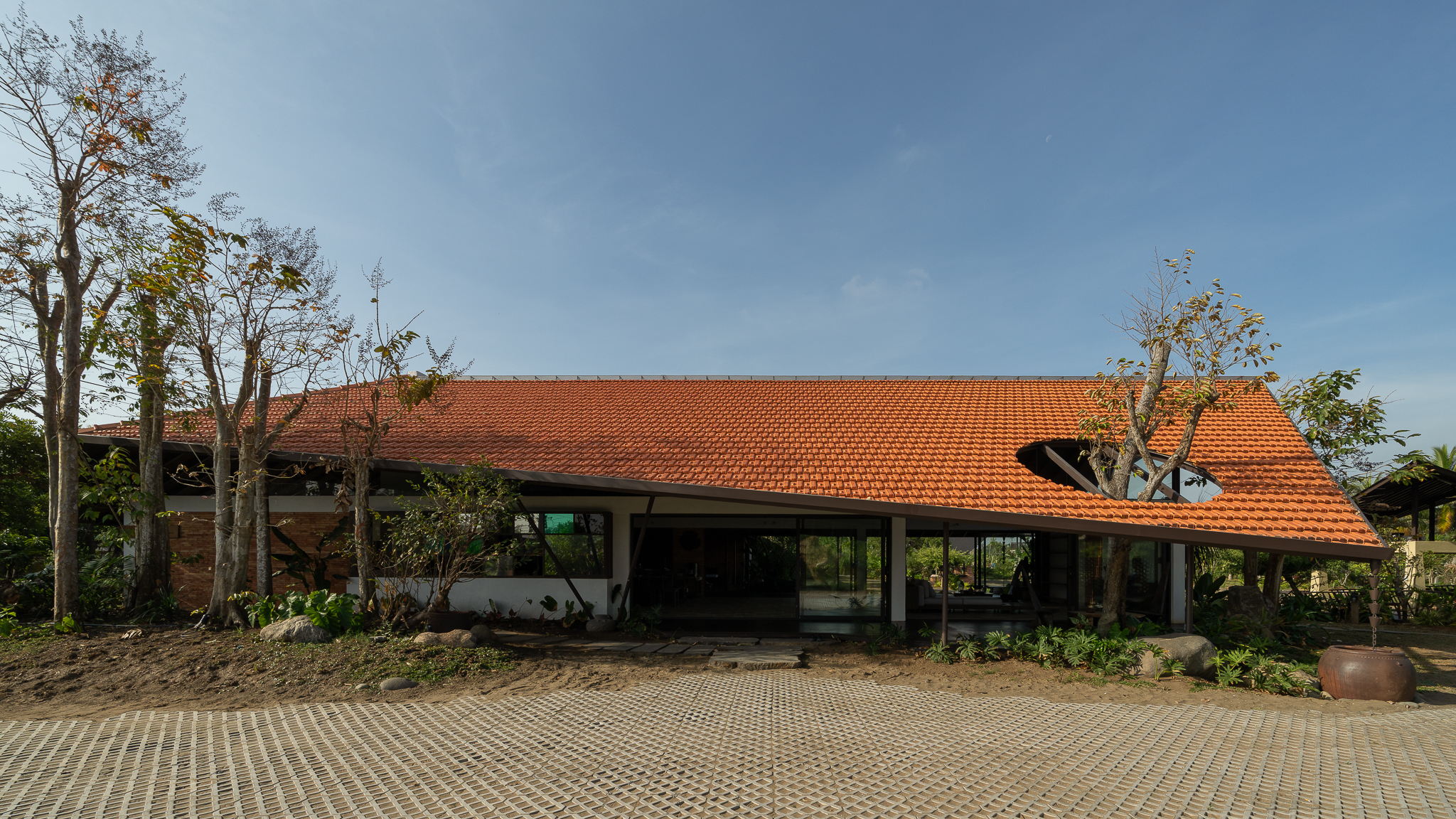
Why do natural materials age so well?
Synthetic materials usually look their best on day one, then slowly deteriorate: coatings peel, printed colours fade, panel edges swell. Natural materials, by contrast, are the same from surface to core. When scratched or weathered they do not reveal a different layer underneath; they simply deepen in colour and character. Craftspeople call this patina – the layer of time on a material.
In a hot, humid tropical climate, natural materials have another advantage: they breathe. Fired clay, stone, lime plaster and timber absorb and release moisture, store heat by day and release it slowly at night, keeping interiors cooler and more comfortable.
Stone – the solidity of the earth
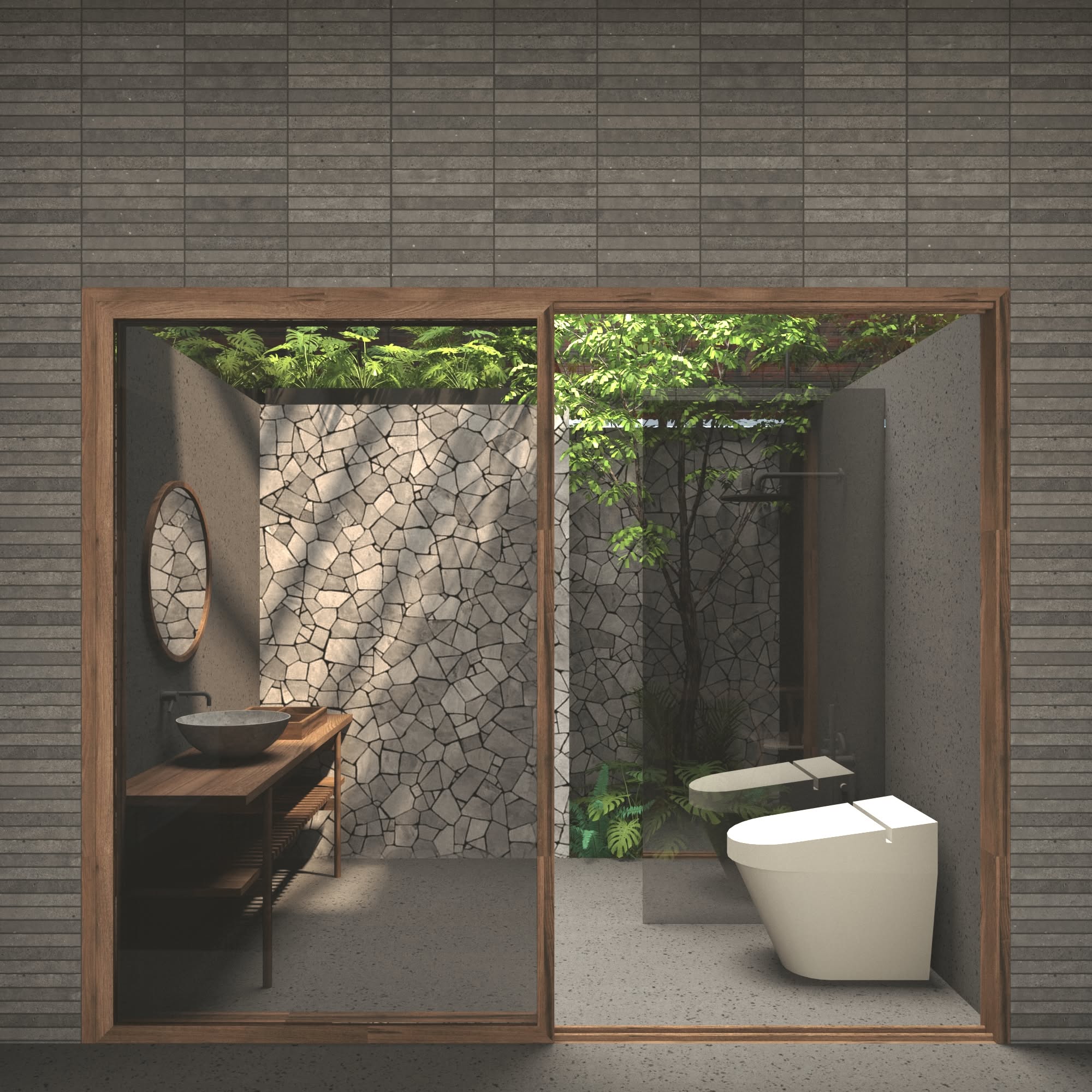
Split stone and dry-laid rubble belong to foundations, boundary walls and retaining walls. Each stone has its own colour and grain, and together they form a surface that is both rough and richly textured. Over the years moss and creepers take hold, making the building look as if it has grown from the land itself.
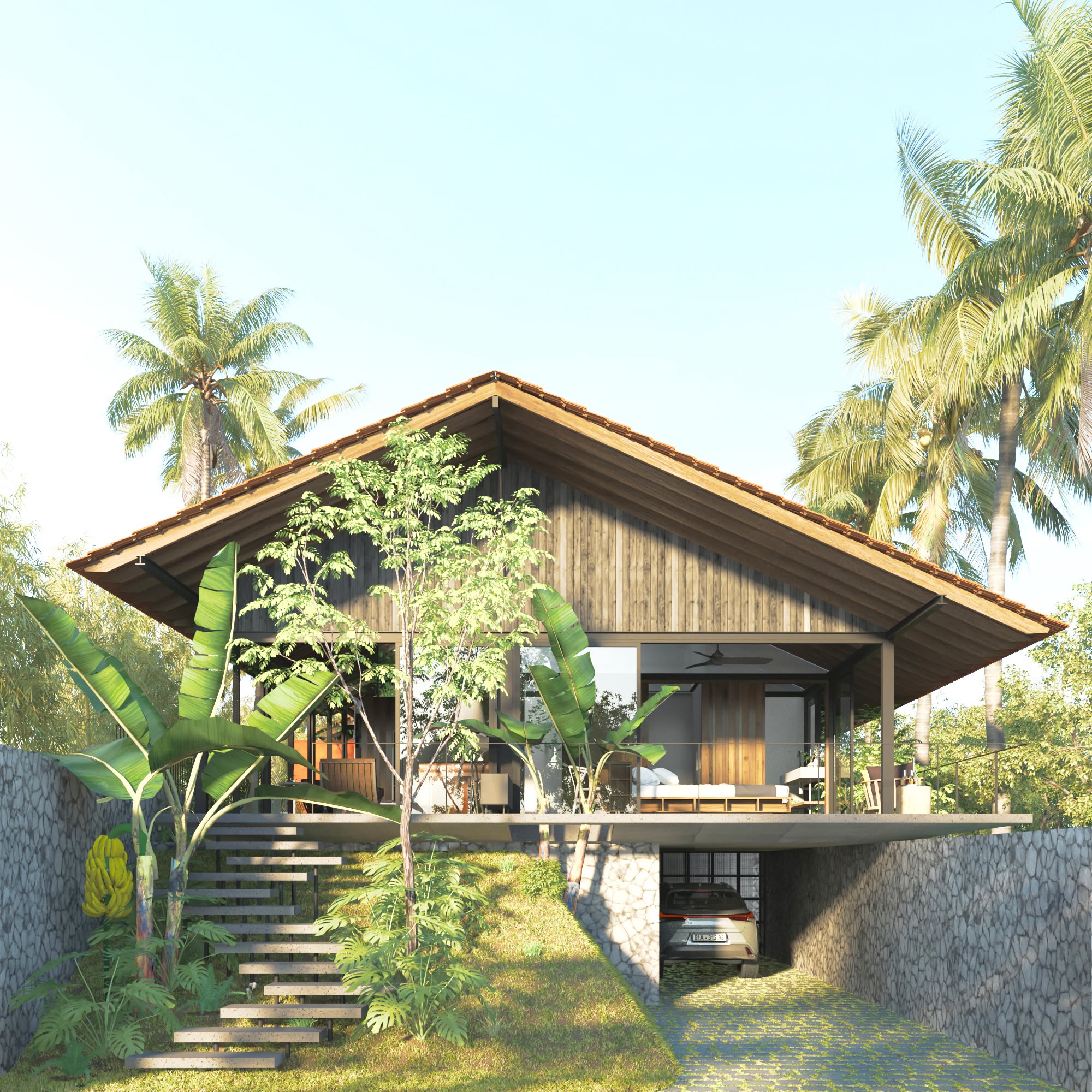
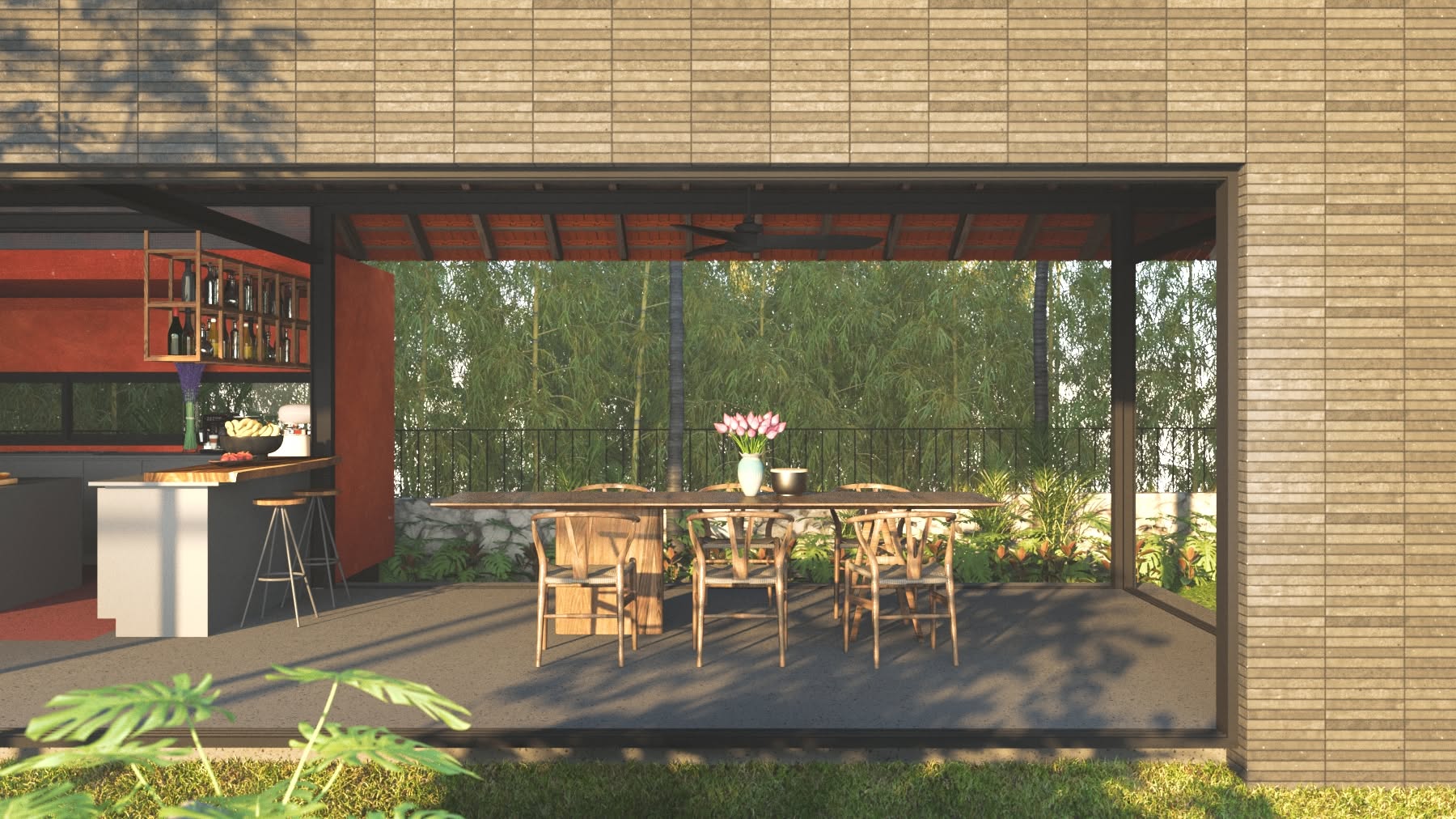
Clay tiles and fired brick – the memory of the Vietnamese roof
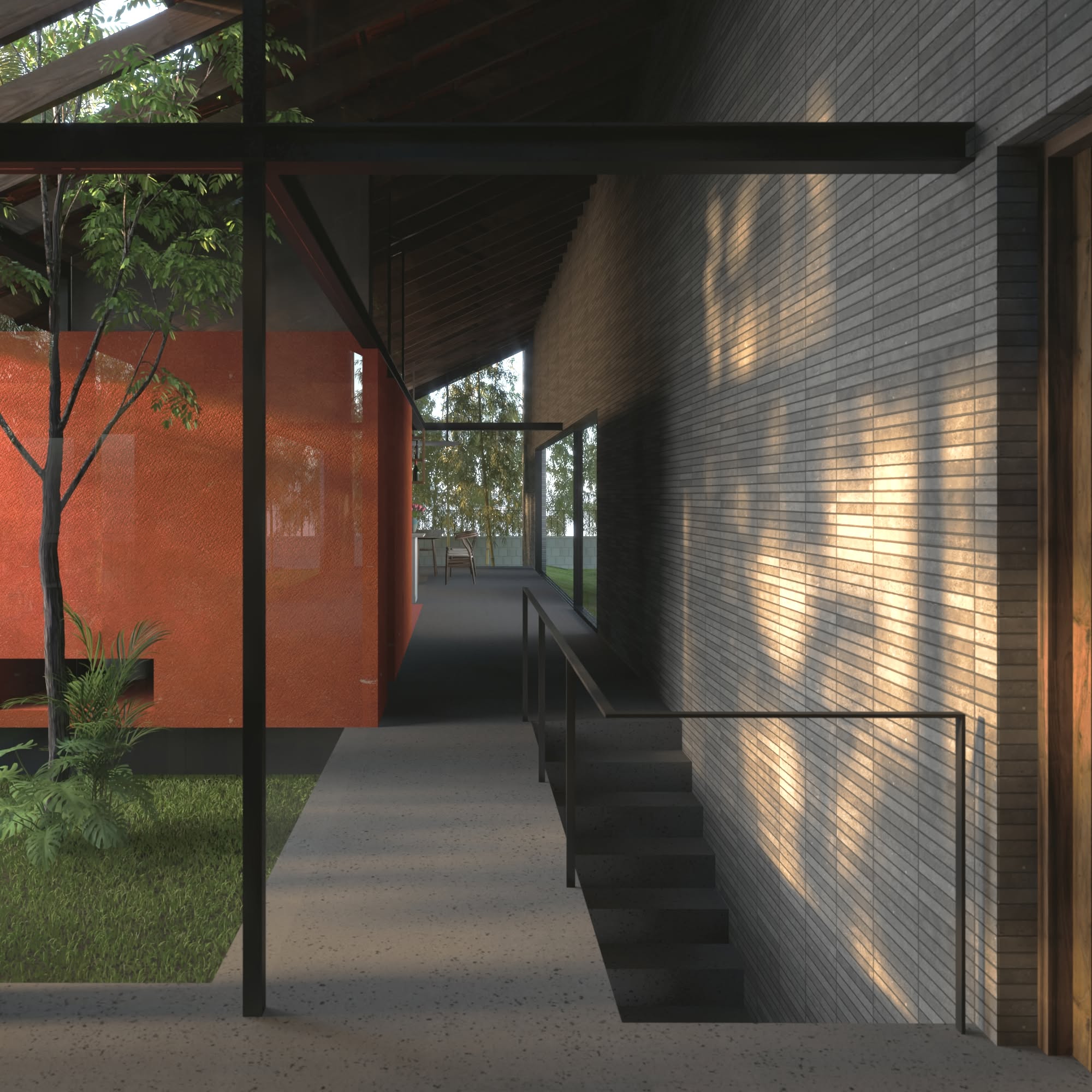
Red clay tiles have defined the Vietnamese home for centuries. They are light, shed water quickly, create a ventilated layer under the roof and insulate well. Their bright red slowly mellows and mottles with sun and rain – a twenty-year-old tile roof is often more beautiful than a new one.
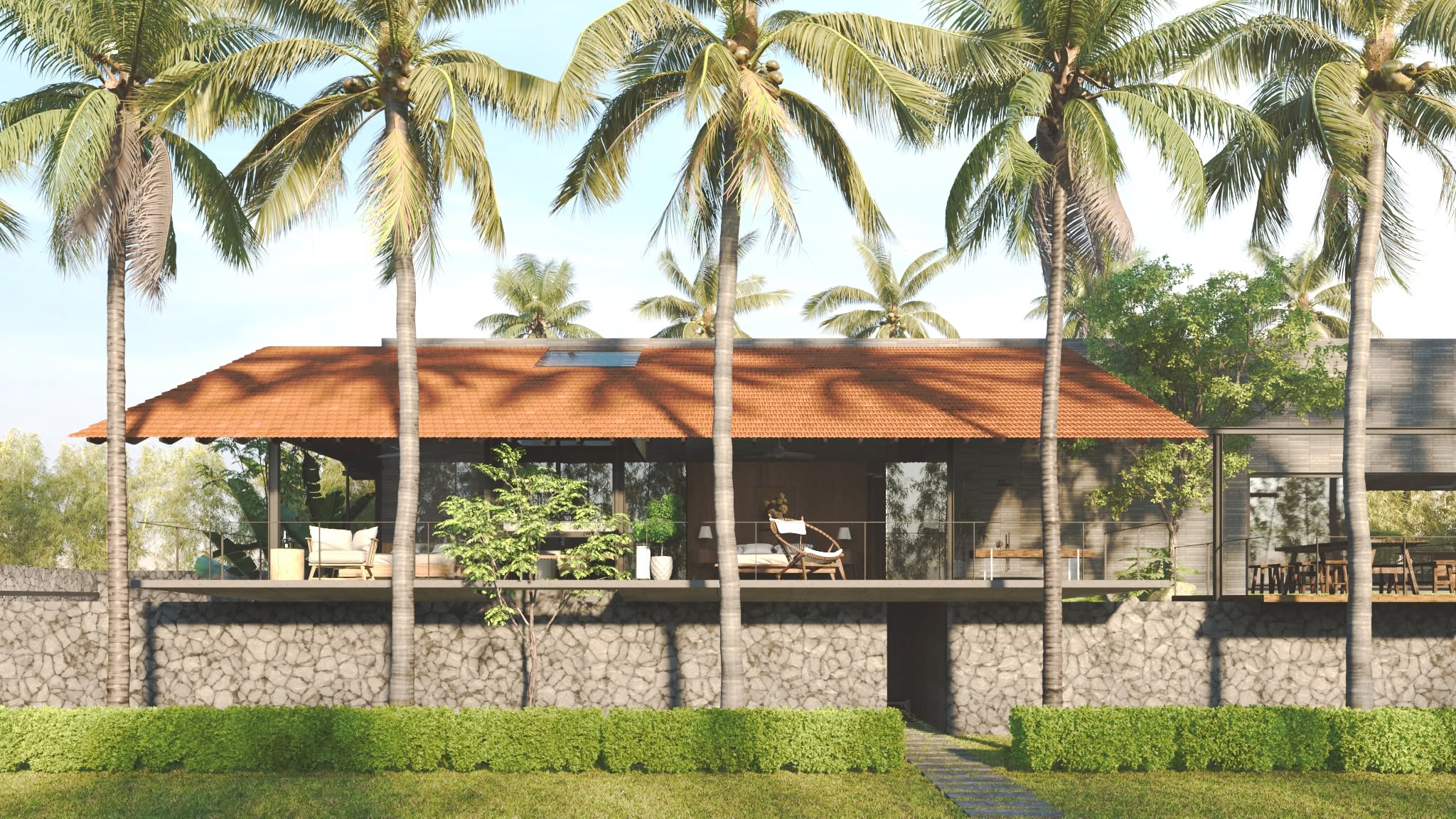
Fired brick, especially reclaimed brick, carries traces of earlier buildings. Paired with rough plaster or earth-coloured paint, it creates warm walls with real depth.
Timber – warmth close at hand
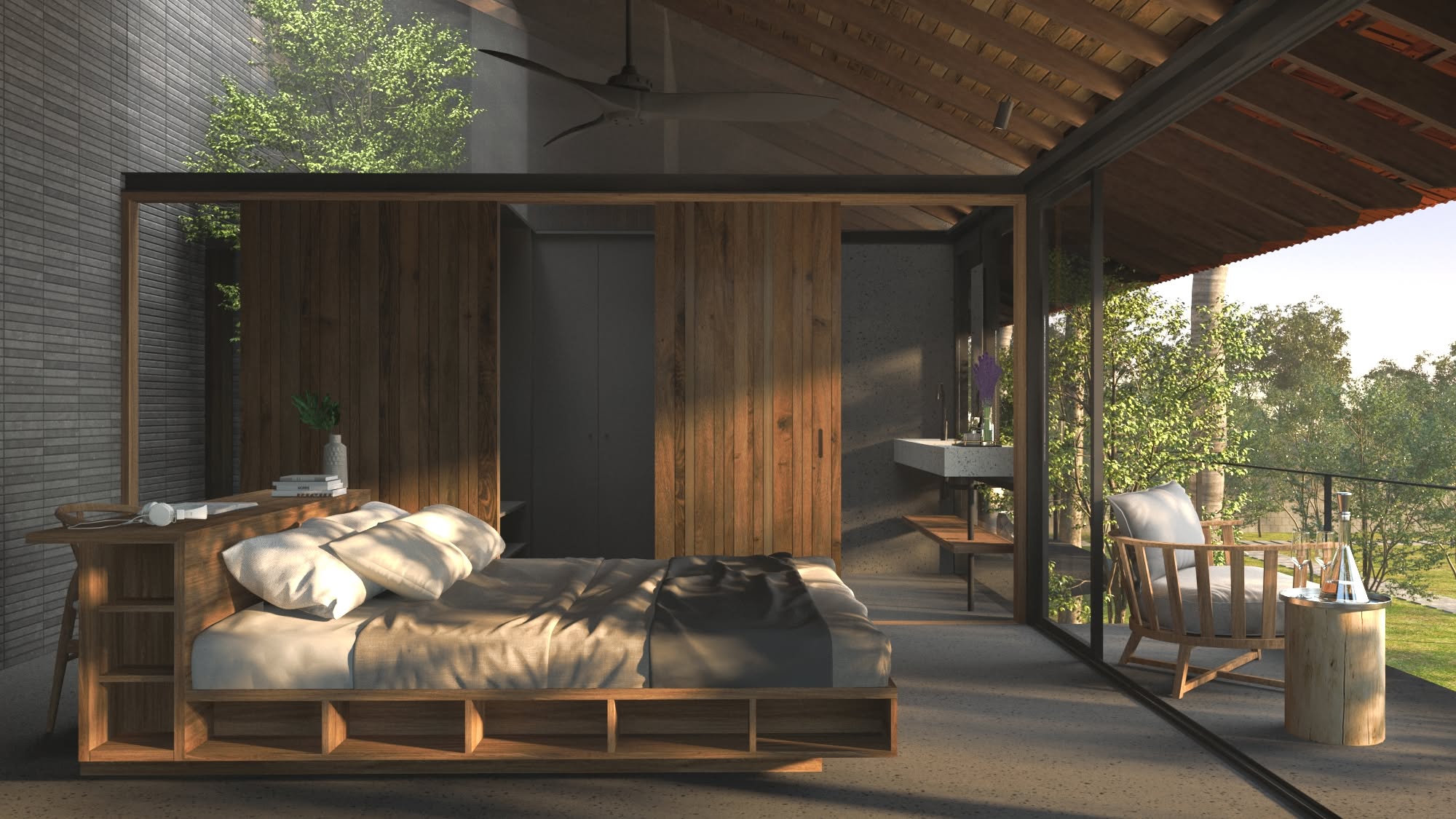
Timber is the material closest to people: we touch it every day through door handles, tabletops and stair treads. Natural timber has grain that never repeats, a scent of its own, and changes colour over time – light woods turn golden, dark woods grow warmer. A scratch on a solid timber table can be sanded and refinished, something a wood-effect laminate can never do.
Helping natural materials age beautifully
- Use the right material in the right place: timber where hands touch, stone where water and wear are heavy, tile where a roof must shed heat.
- Design so materials can breathe: deep eaves to keep rain off timber walls, ventilation gaps under the roof, stone plinths against damp.
- Keep finishes minimal: oils, waxes and water-based finishes instead of thick coatings, to preserve texture and make maintenance easy.
- Accept change: stains, moss and the sheen of years are not damage, but part of the beauty.
Materials in H+ Studio's work
In H+ projects, from Casa Blanca Garden in Ben Tre to Hoa Long House and Lac Long Quan House, we favour local, honest and unpretentious materials: stone, clay tile, brick, timber and rough plaster. Not because they are traditional, but because they know how to live alongside people – and the longer a family stays, the more the house feels like home.
Related articles
All articles