
Formaldehyde in Engineered Wood

Article
Formaldehyde in Engineered Wood
Kitchen cabinets, wardrobes, beds and wall panelling in most homes today are made from engineered wood such as MDF, particleboard or plywood. When choosing materials, homeowners often hear about "E1 board", "E0 board" or "CARB P2". These labels all describe one thing: how much formaldehyde a panel releases into the air indoors.
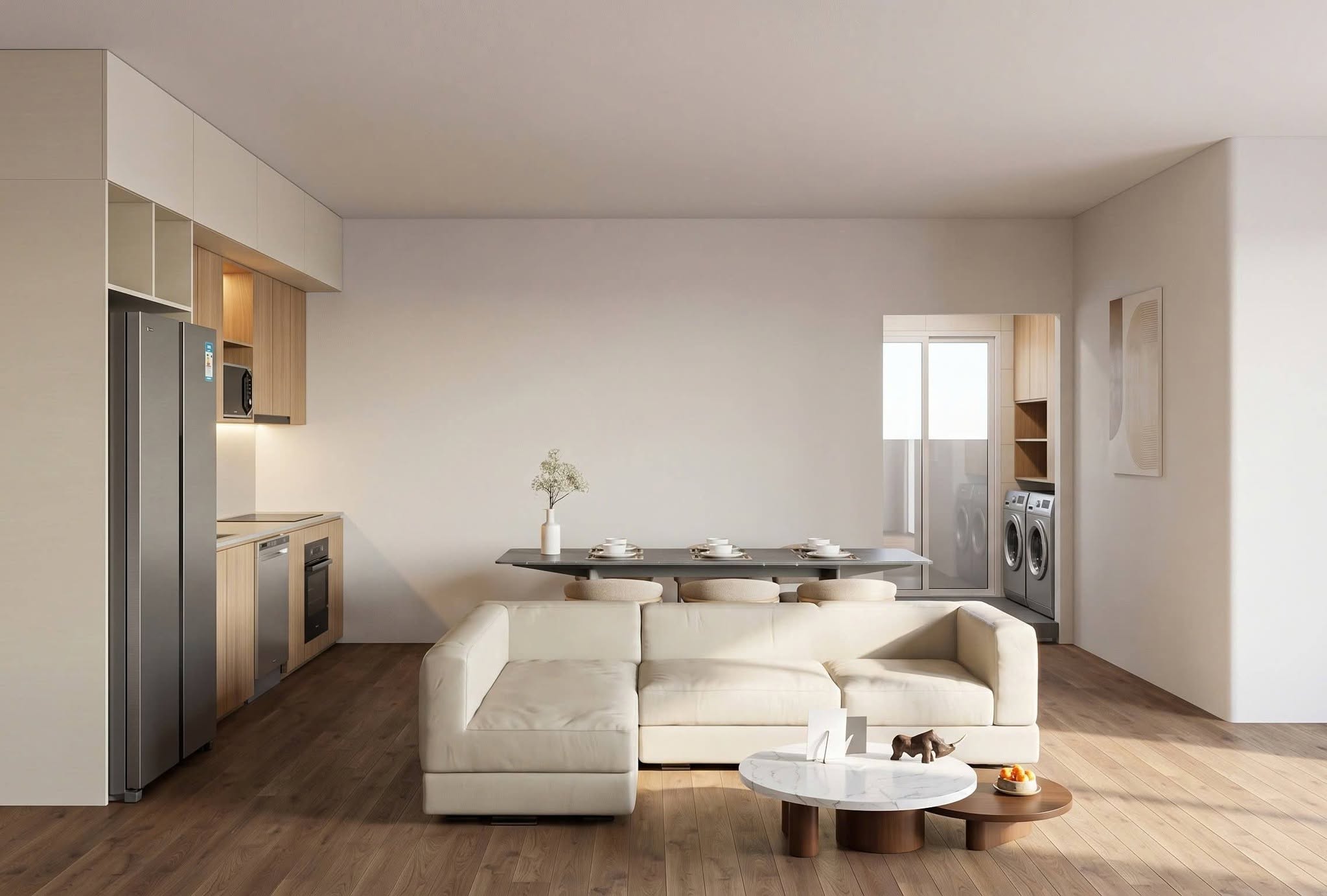
Where does formaldehyde come from?
Engineered wood is made by pressing fibres, particles or veneers together with adhesive. The most common adhesive is urea-formaldehyde (UF) resin, which is cheap and bonds well. After pressing, some free formaldehyde remains in the panel and gradually off-gasses into the air – most strongly in the first months, and more when temperature and humidity are high.
At low concentrations formaldehyde can irritate the eyes, nose, throat and skin. Long-term exposure at high levels increases the risk of respiratory illness, and the International Agency for Research on Cancer (IARC) classifies formaldehyde as Group 1 – carcinogenic to humans. So the question is not whether formaldehyde is present, but whether emissions stay below safe limits.
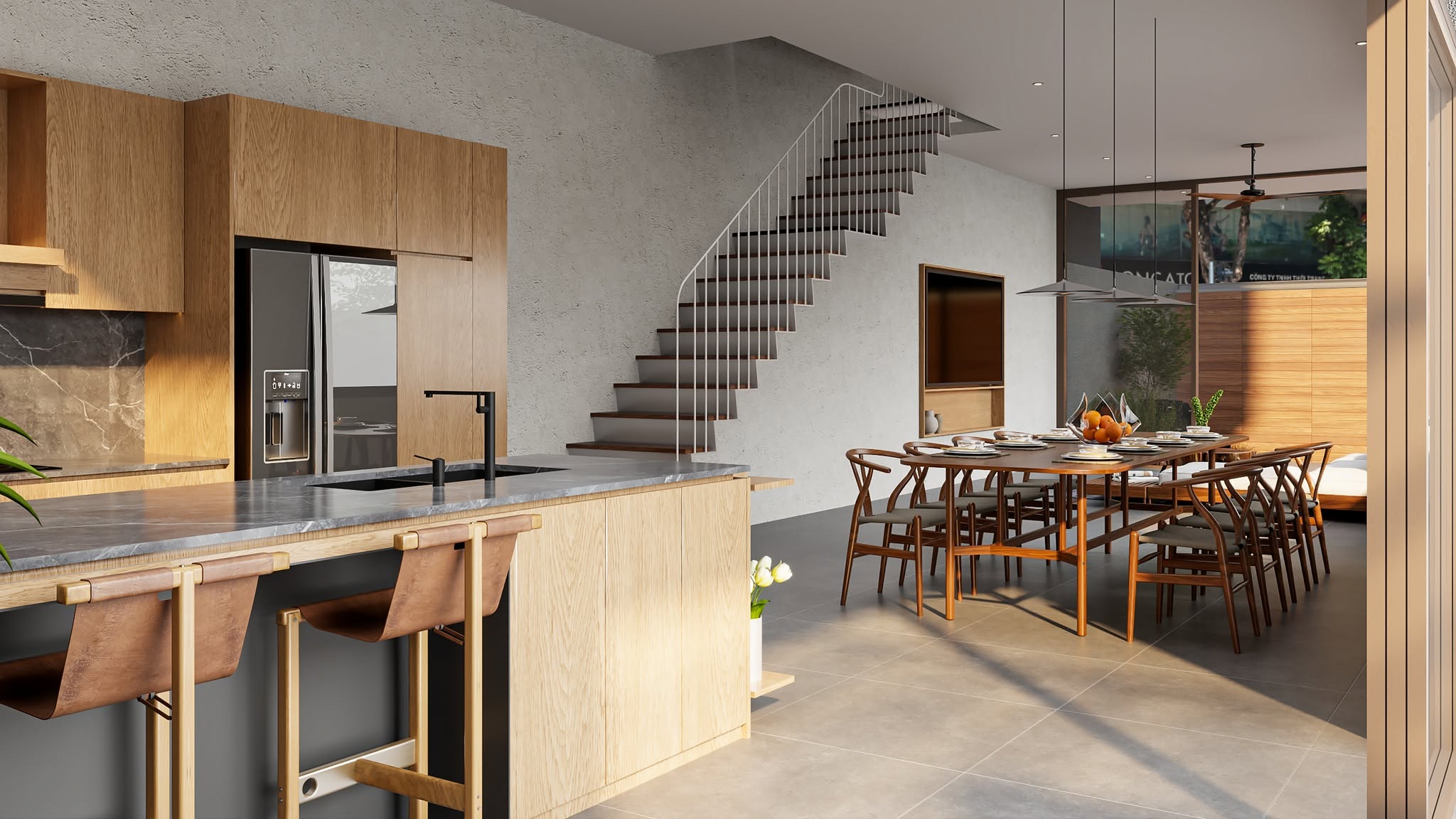
What do the emission classes mean?
- E1 (Europe): emissions no higher than 0.1 ppm (about 0.124 mg/m³) in a test chamber under EN 717-1 – the minimum requirement for furniture in many European countries.
- E2: emissions several times higher than E1, now banned for interiors in most developed markets.
- E0 / Super E0: classes below E1 (common under Japanese and Chinese standards). Each system uses a different test method, so they cannot be converted directly; check the manufacturer's specific certificate.
- CARB P2 / TSCA Title VI (USA): limits of 0.05 ppm for hardwood plywood, 0.09 ppm for particleboard and 0.11 ppm for MDF – considerably stricter than E1.
- From 6 August 2026, the European Union applies a new limit of 0.062 mg/m³ for furniture and wood-based materials, roughly half the traditional E1 level.
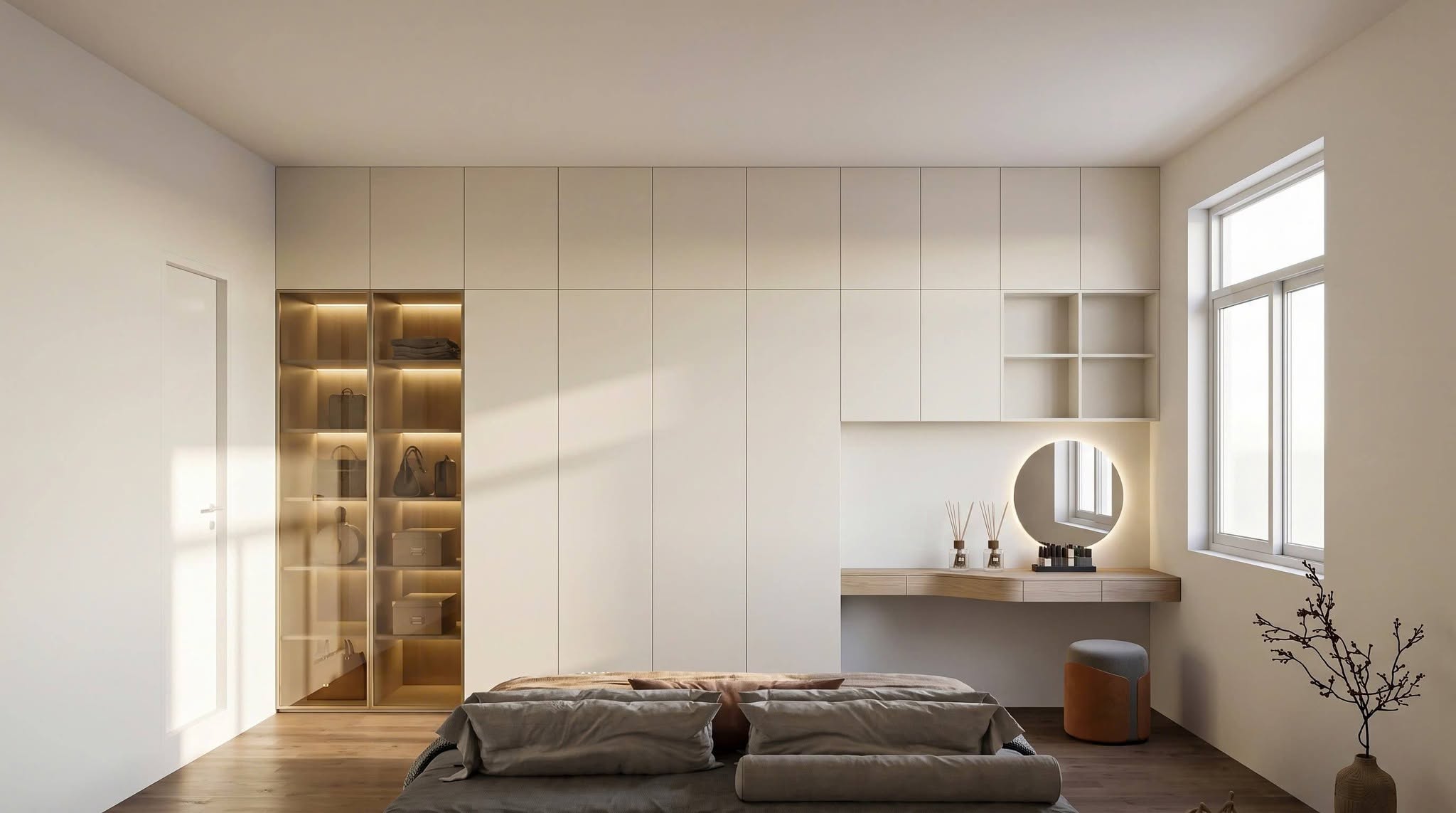
What really determines indoor air quality?
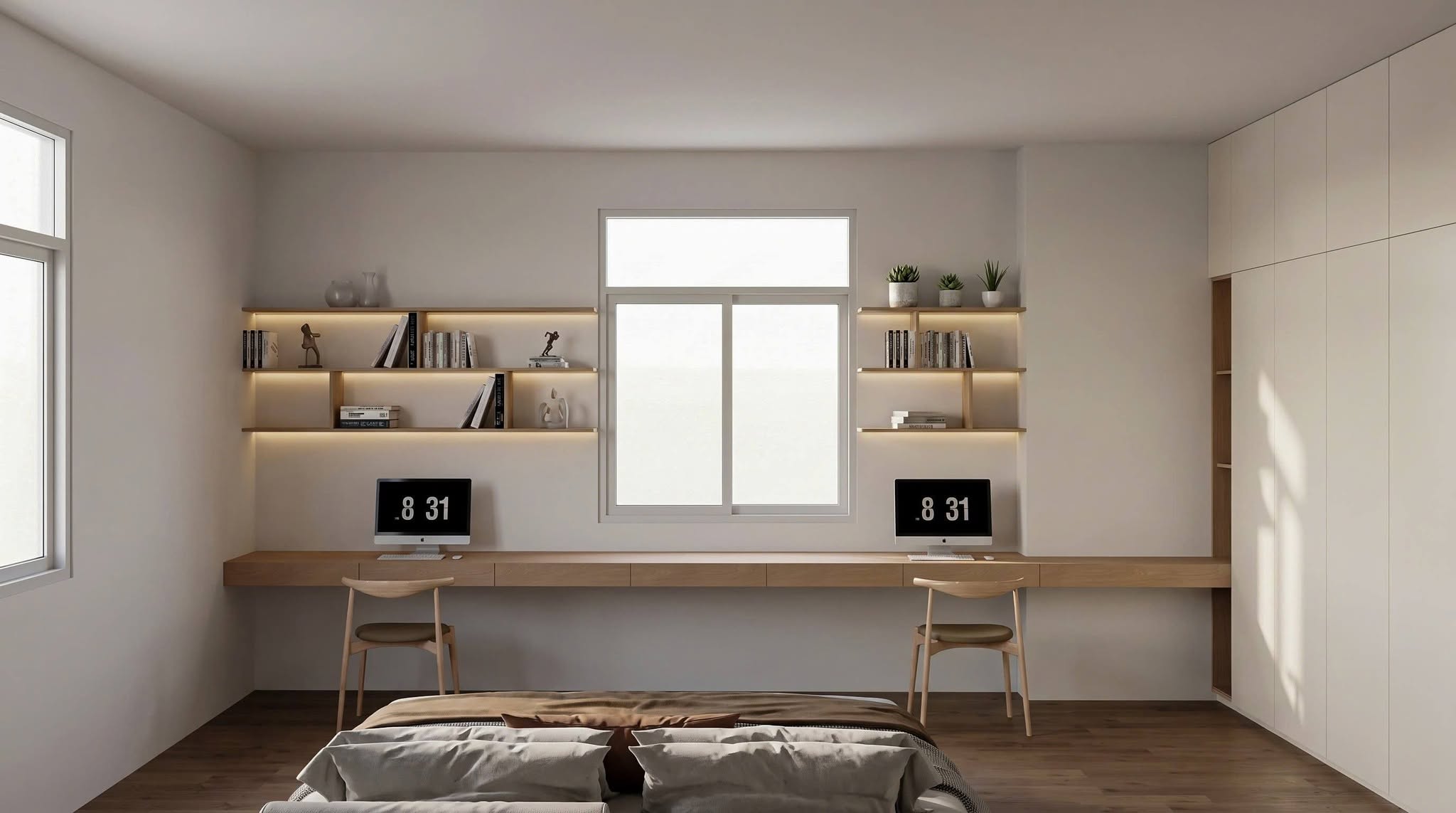
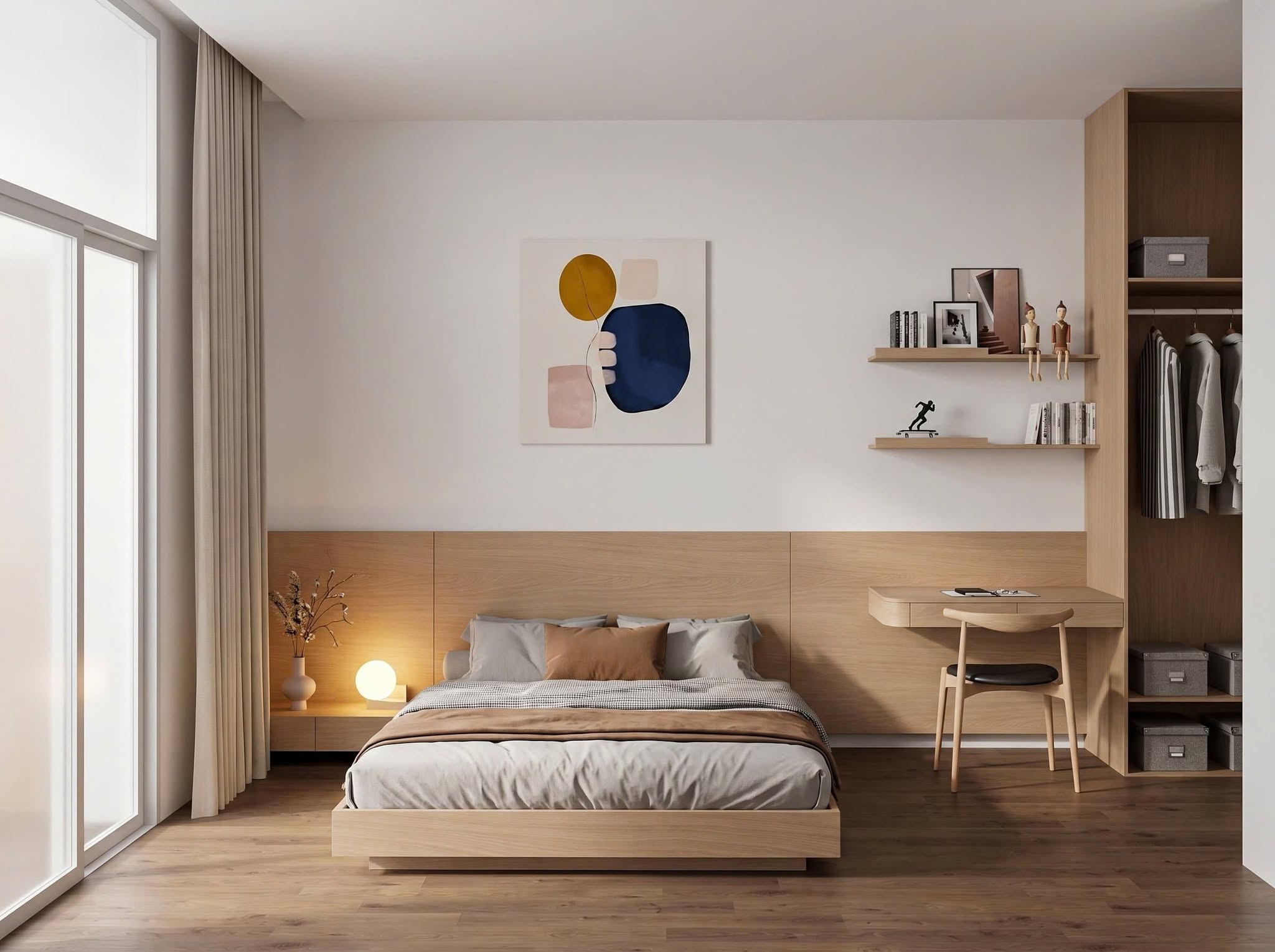
The emission class is only part of the picture. The formaldehyde concentration in a room also depends on the amount of board in the space, how airtight the room is, temperature and humidity, and ventilation. A small bedroom lined with full-height cabinets and air-conditioned around the clock will reach much higher concentrations than the same board in an open, airy space.
Unsealed panel edges and open hinge holes are also where most formaldehyde escapes.
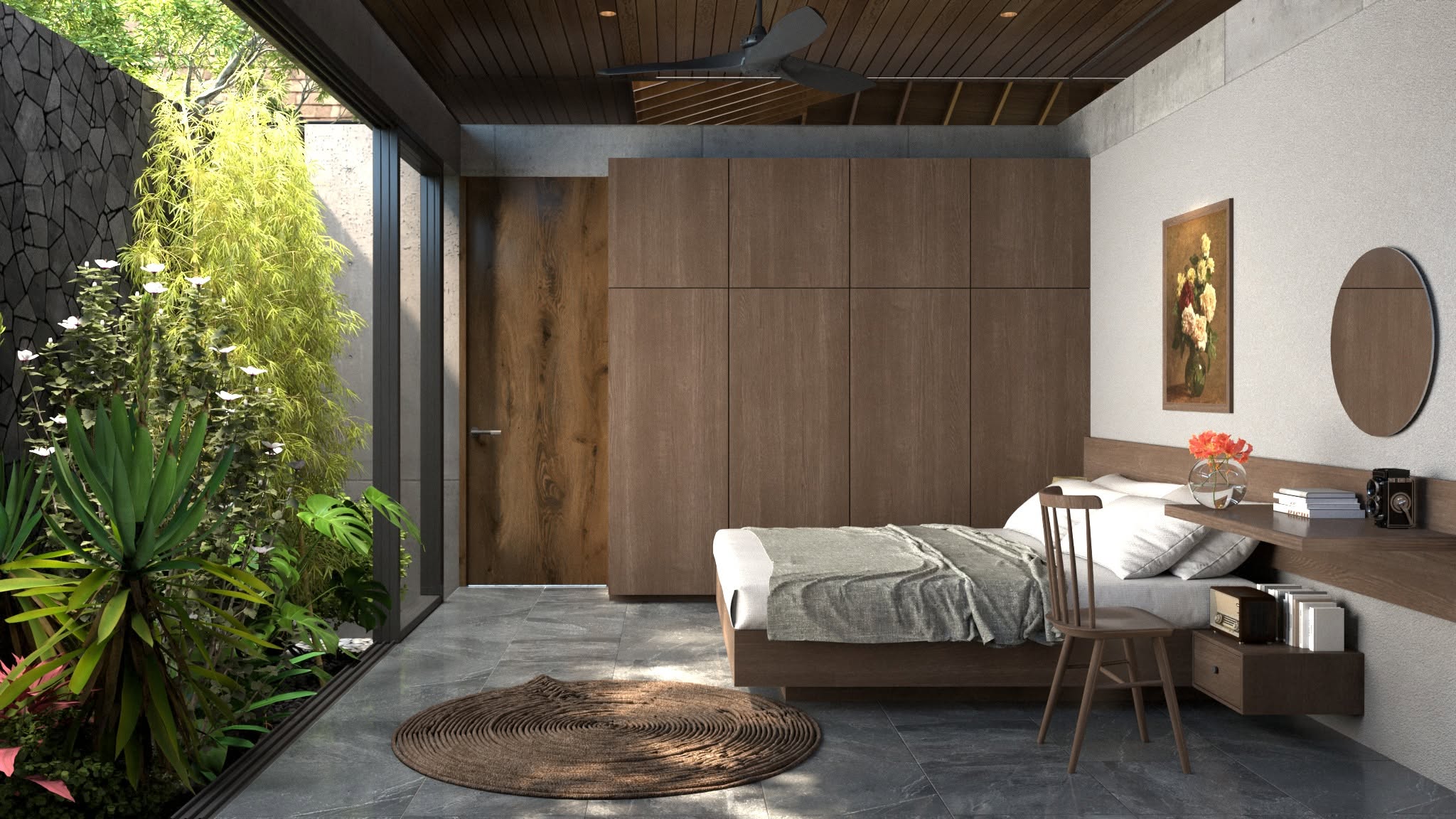
How H+ Studio selects and builds
- We prioritise boards with clear emission certification (at least E1, preferably CARB P2 or E0) and ask suppliers for certificates per batch.
- We seal all edges and back faces of panels, including hidden faces inside cabinets.
- We combine solid timber, mineral materials and water-based finishes to reduce the total area of board in bedrooms and children's rooms.
- We design for natural ventilation and advise owners to keep spaces well aired for the first 2–3 months after handover.
A beautiful home should feel good with every breath. Understanding formaldehyde helps each family choose materials not only by eye, but by numbers that can be verified.
Related articles
All articles